Why Bitcoin's 2025 Bull Run Feels Different From 2021
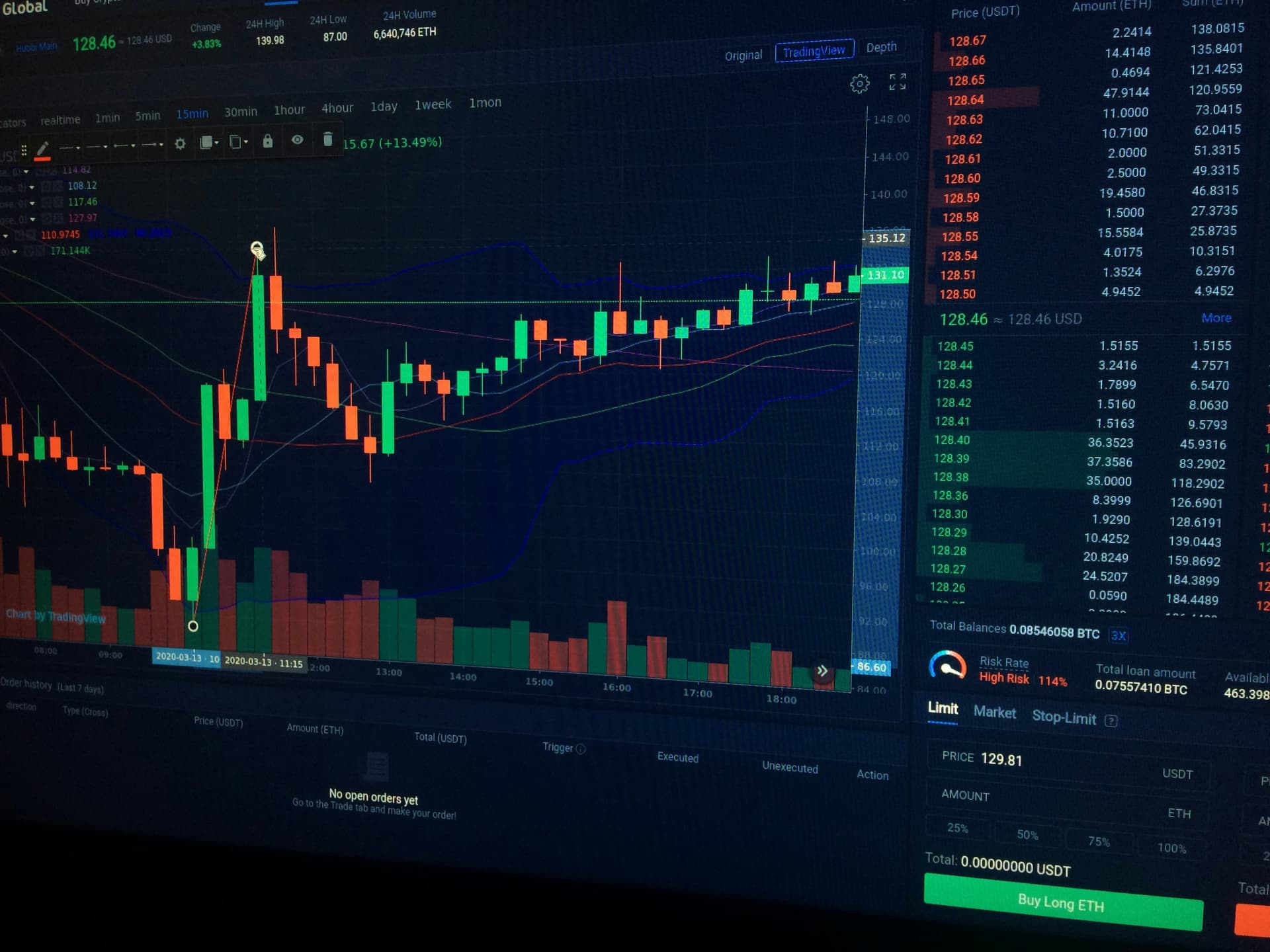
Every bull market brings the same phrase: "this time is different." Usually, it is not. But looking at Bitcoin's 2025 rally compared to the 2021 peak, there are some genuinely structural differences worth examining.
Institutional Money Is No Longer a Story — It Is a Reality
In 2021, institutional adoption was mostly narrative. MicroStrategy was buying, Tesla briefly accepted Bitcoin, and everyone talked about "institutions coming." But the actual flows were limited and speculative.
In 2025, the dynamic has fundamentally shifted. Spot Bitcoin ETFs approved in the United States in January 2024 opened the floodgates. BlackRock, Fidelity, and other giants are now accumulating Bitcoin on behalf of their clients at scale. These are not traders looking for a quick flip — they are long-term allocators.
The Halving Effect With Less New Supply
The April 2024 halving cut Bitcoin's daily issuance from around 900 BTC per day to 450 BTC. With institutional demand rising and new supply shrinking, the supply-demand imbalance is more pronounced than in any previous cycle.Retail Has Not Fully Arrived Yet
One of the clearest signs that a bull market is maturing is retail euphoria — everyone from taxi drivers to your grandmother talking about crypto. In 2021, this happened aggressively. In 2025, retail participation is growing but has not yet reached the manic levels of the previous cycle.
Google Trends data, exchange app download rankings, and social media sentiment all suggest that mainstream retail FOMO has not fully kicked in. Historically, when retail arrives in full force, the final leg of a bull market begins — and it is usually the most explosive.
Regulatory Clarity Is Improving
In 2021, regulatory uncertainty was a constant overhang. The SEC was aggressive, several countries banned crypto outright, and the legal status of most tokens was unclear.
By 2025, the landscape has improved significantly. The EU's MiCA regulation provided a framework for European markets. In the US, clearer guidelines for exchanges and stablecoins reduced uncertainty. This does not mean regulation is solved — but the existential threat feels lower.What Could Go Wrong
No bull market runs in a straight line. Potential risks include:
A global recession reducing risk appetite
A major exchange or protocol failure shaking confidence
Aggressive regulatory action in key markets
Overleveraged positions causing a cascade of liquidations
Our Take
The 2025 cycle appears more structurally sound than 2021 — driven by real institutional demand, reduced supply, and improving regulatory clarity rather than pure speculation. That does not mean prices cannot correct sharply. But the foundation feels more solid.
As always — take profits, manage risk, and never invest more than you can afford to lose.